
Top supply chain trends defining 2025: What students and professionals must know
2025 marks a shift.
Technology is moving fast. Climate rules are tightening. Global tensions are shifting trade. In 2025, pressure is high and the pace is higher.
If you’re a student or professional in the field, the question is simple: are your skills keeping up?
This blog covers key trends that are shaping supply chains now. Each one is based on data and industry analysis. Each one affects your future decisions and skills.
Why 2025 marks a turning point for supply chains
The last five years were shaped by crisis. The next five will be shaped by adaptation.
In addition to this, digitisation is no longer optional as sustainability is a hard requirement and risk is constant. This results in supply chains becoming faster, smarter, and more localised.
What changed? Companies are moving from reaction to redesign. Speed becomes resilience, siloed systems become real-time data, and these shifts place new demands on professionals.
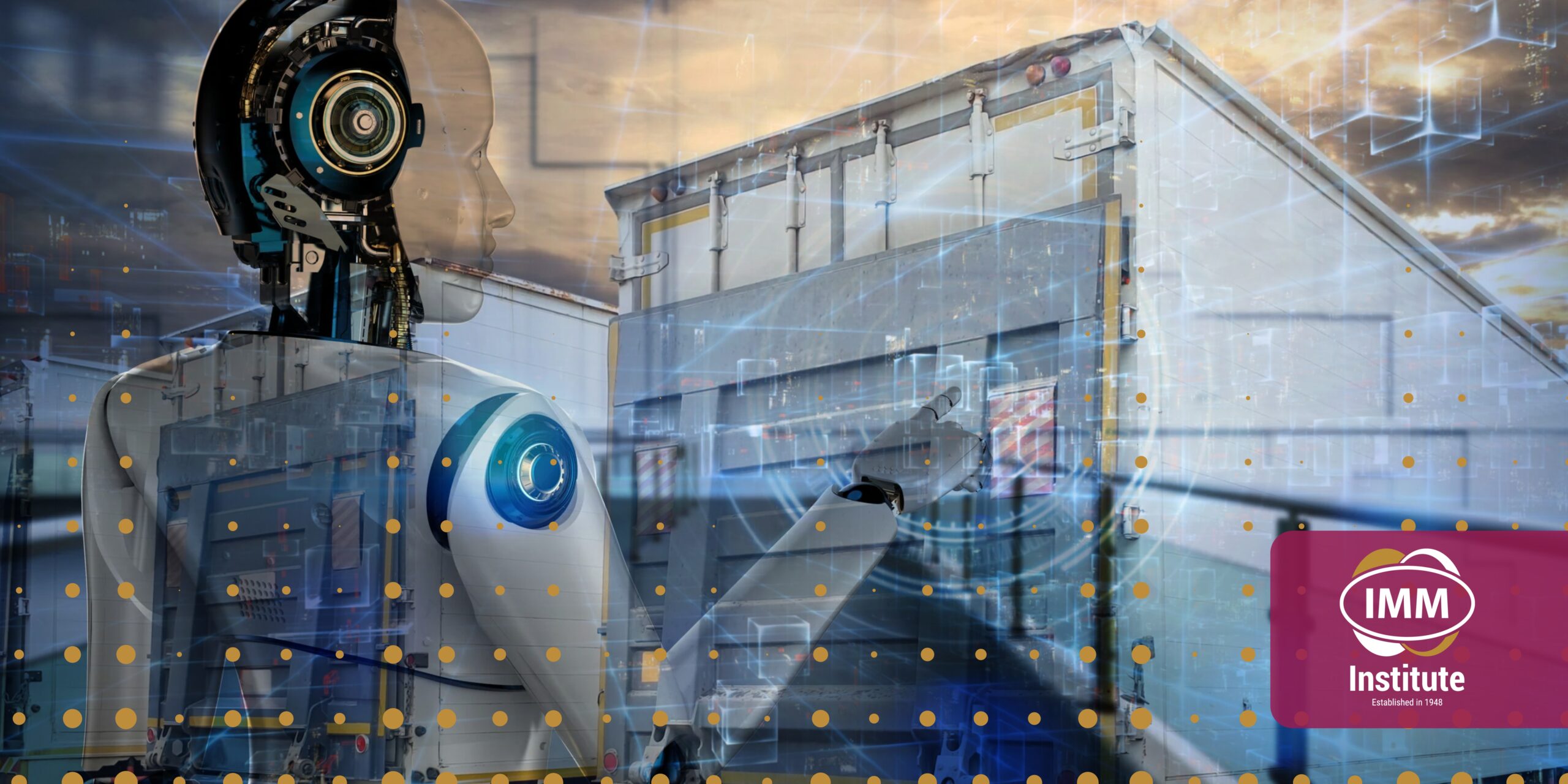
1. AI and machine learning transform supply chains
AI is moving into core functions, such as:
- Running forecasts
- Building efficient routes
- Supporting automated decisions across the supply chain
- Learning faster than any team
Global investment in AI tools continues to grow. ASCM reports that by 2026, 85% of large supply chain players will have AI built into daily operations.
Where is AI used?
- Demand prediction
- Inventory planning
- Route optimisation
- Warehouse automation
You need to understand how AI is applied, as data inputs, system outputs, and human oversight are now part of daily work.
2. Real-time visibility and data-driven decisions
Supply chains are building systems that respond in seconds. Digital twins, IoT, and cloud tools allow live tracking of goods and performance.
Workday reports that 60% of companies now use visibility platforms to track their networks. These tools improve decision-making, reduce delays, and support fast changes.
With more data comes more responsibility. Every supply chain role now requires data skills. To stay ahead you’d need to read a dashboard, question sources and make better calls with the data in front of you.
3. Resilience, risk management and geopolitical preparedness
Supply chains are being redesigned for survival.
Companies are now building buffers and are no longer betting on single suppliers or regions. Risk management has become a daily function, as a result scenario planning is standard. Sourcing is spread across countries. This now means that contracts are shorter.
KPMG highlights how businesses are redesigning for geopolitical risk, supplier diversification, and digital resilience.
AI’s impact on supply shortages is already being felt in chip markets, as covered by Reuters.
What do you need to do? You’d need to:
- Build knowledge of supply risk
- Learn sourcing strategies
- Track the political climate
- Know your weak points
Remember, resilience is a mindset and not a department.
4. Sustainability, ESG and ethical compliance
Regulators are watching, so are consumers.
A KPMG study reports that more than 40% of the world’s largest companies have integrated Environmental, Social and Governance (ESG) criteria into their operations. This highlights that supply chains are under pressure to meet emissions targets and report on them.
What’s changing?
- Suppliers need to meet carbon standards
- Sourcing audits are tighter
- Reporting rules are stricter
Professionals must learn carbon accounting, supplier vetting, and lifecycle analysis.
You don’t need to be an expert in climate policy. You do need to track where your product came from, and what impact it had.
5. Emerging technologies beyond AI
AI is one piece. Other tools are becoming essential.
- Blockchain improves traceability
- Cloud-native systems increase flexibility
- Cybersecurity protects logistics from digital threats
- Automation speeds up fulfilment
Slimstock reviews that 70% of logistics providers are shifting to cloud platforms by 2026. Each new system adds complexity and integrating them takes skill.
Ask yourself. Can you work across platforms? Can you lead digital change in your team? The future is not paper. It is real-time, online, and integrated.
6. Africa-specific trends for 2025
Africa’s supply chains face unique conditions.
Growth is strong as well as constraints. Logistics systems are stretched, resulting in cross-border movement being slow. Yet digital adoption is rapid.
Mobile-led commerce is unlocking new markets. Urban expansion is creating dense new trade zones. Unitrans Africa mentions that forecasts show 8.5% growth in logistics through 2028.
Key forces in play:
- Border policy and customs reform
- New infrastructure development
- Localised fulfilment
- Rapid e-commerce scale
Professionals must understand mobile logistics, regional policy, and digital distribution models.
7. What the IMM Institute has to offer
To meet this shift, the IMM Institute offers a Professional Certificate in Transport and Logistics.
This course covers:
- Strategic planning in logistics and transport
- Sustainability and risk in operations
- Network design using forecasting and customer strategy
- Innovation and service in logistics
- Performance metrics and organisational integration
- Leadership, ethics, and collaboration in global logistics
- A final professional research project
It fits professionals managing operations, future leaders, and entrepreneurs in logistics. The course builds a full skill set. Strategy, systems, leadership, and ethics.
You’ll walk away ready for change and ready to lead future supply chains.
Final thoughts
Supply chains in 2025 are driven by hard data, digital systems, and new pressures.
Professionals need technical skills. They also need judgment.
AI, data, risk and ESG aren’t just buzzwords, they shape how supply chains run. If you want to stay competitive, build your skills in these areas. Stay informed and make decisions fast. Own your part in the system.
Remember, the future belongs to those who can think clearly, act quickly, and adapt constantly.
What will you do next?